
Introduction
Frozen yogurt has moved from a niche dessert into a familiar choice for cafes, food courts, restaurants, and home freezers. Its appeal comes from a balanced combination of tangy flavour, creamy texture, flexible toppings, and convenient serving formats. Modern diners often seek lighter options without abandoning indulgence. This shift has encouraged retailers to broaden menus, test fresh combinations, and present chilled treats as part of everyday eating rather than occasional consumption.
Market Appeal and Retail Variety
Retailers in Australia are responding with formats that suit cafes, kiosks, supermarkets, and event venues. The category supports portion control, quick service, and flavour variation without requiring a large kitchen. For operators studying frozen yogurt in Australia, mix performance, storage needs, and customer preferences offer useful measures of commercial fit. Those factors help explain its wider presence in everyday dining.
A Familiar Taste With Broad Appeal
Tangy dairy flavour gives this dessert a distinct identity beside ice cream and gelato. Some diners prefer a sharper profile, while others select mild sweetness with a soft, creamy finish. This range allows businesses to serve varied age groups without changing their core equipment. Familiar ingredients also reduce hesitation, helping first-time buyers choose a chilled treat with confidence.
Portion Size Supports Everyday Choices
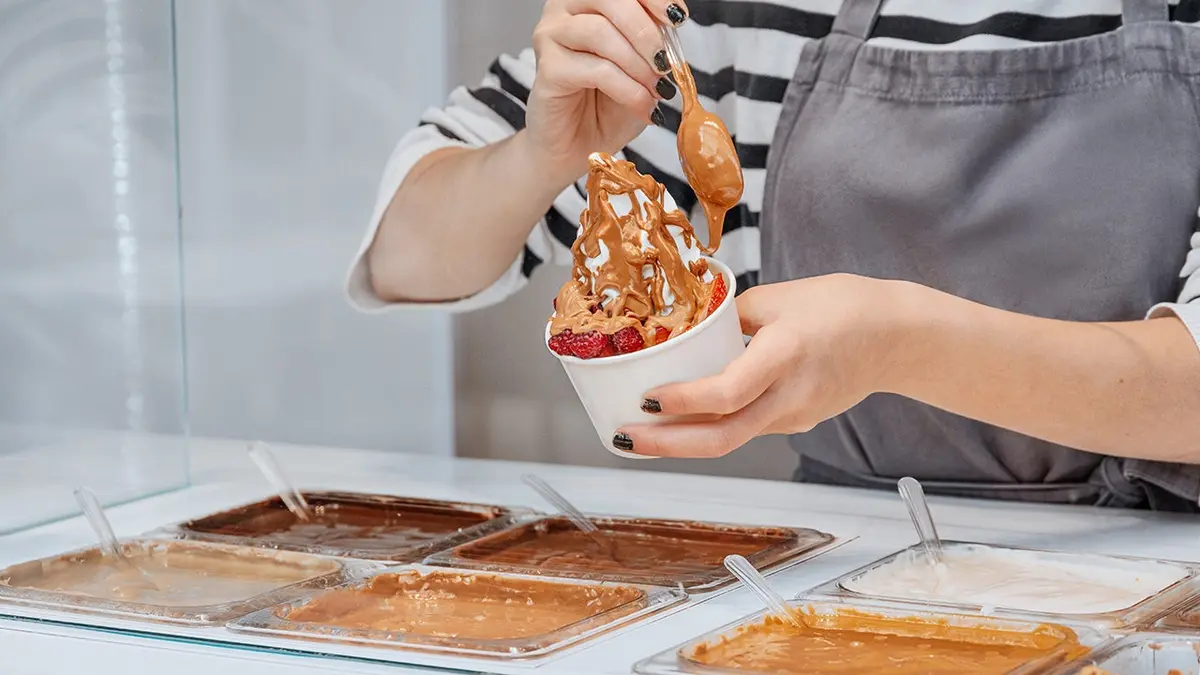
Small servings can satisfy a dessert craving without creating the heaviness associated with larger meals. Customers may add fruit, cereal, nuts, or sauces according to appetite and preference. Such flexibility supports different spending levels as well. A basic cup suits quick purchases, while layered combinations create a more substantial menu item for social occasions.
Soft-Serve Service Improves Speed
Soft-serve machines give venues a practical method for handling steady demand. Staff can prepare portions quickly, maintain consistent texture, and adjust output during busy periods. Powdered mixes also simplify storage compared with many fresh ingredients. Wholefarm Australia lists vegetarian, gluten-free mixes, including YoYo Greek Style and Yomaxx, with preparation instructions based on water and milk quantities.
Fruit Flavours Increase Choice
Fruit additions bring colour, acidity, and visual interest to a plain base. Wholefarm Australia lists mango, strawberry, blueberry, lychee, and peach flavourings, with products containing up to 40 percent real fruit. These figures give operators clear menu-building options. Seasonal specials can use one flavour, while a self-serve counter may offer several combinations for repeat visits.
Probiotic Interest Shapes Positioning
Health-conscious customers often examine ingredient lists, portion sizes, and added functional features before buying dessert. Some frozen yoghurt mixes can include high levels of probiotic bacteria, according to the inspected supplier page. Such additions may influence product positioning, although responsible businesses should present accurate information and avoid unsupported health promises. Clear labelling helps shoppers make informed selections.
Cafes Benefit From Menu Versatility
A single base can support several sales channels. It may appear in cups, cones, thick shakes, smoothies, or fruit-based creations. This versatility helps a cafe use existing stock across different menu periods. Breakfast beverages, afternoon snacks, and evening desserts can draw from related ingredients, reducing preparation steps and giving customers more reasons to return.
Production Details Affect Consistency
Reliable results depend on accurate measurements, complete mixing, and suitable machine settings. One listed YoYo method combines 3.5 litres of water, 1 litre of whole milk, and a 1.6-kilogram sachet. Yomaxx uses 3.5 litres of water with a 1.5-kilogram sachet. These ratios show how simple operating data can guide repeatable texture and flavour.
Modern Menus Encourage Experimentation
Food culture now rewards customisation, visual presentation, and shareable combinations. Frozen yoghurt fits these habits through toppings, fruit pieces, sauces, and contrasting textures. A retailer can test two flavours, measure sales, then revise the menu with limited waste. This trial-based approach makes the category suitable for independent venues and larger food-service groups.
Conclusion
Frozen yogurt continues to gain attention because it combines familiar dairy flavour with flexible service, varied toppings, and manageable preparation. Its appeal reaches customers seeking refreshment, portion control, and personal choice. Retailers can build stronger offers by tracking serving volume, flavour demand, ingredient usage, and repeat purchases. With clear labelling and consistent preparation, this dessert can remain a practical part of modern food culture for years.